PawnParse
Restructured an AI tool around what the model gets wrong, not what it gets right
What I was handed
PawnParse turns photos of handwritten chess scoresheets into game files. A model finds each move on the photo and reads the handwriting. The founder had built the first interface himself: one screen in three panes, with the photo and the model’s boxes, the reading of one box, and the list of moves.
What I was brought in for
To design the app for its beta: signing in, a home for the uploaded games, correcting what the model read, and the finished game.
A model that reads handwriting is sometimes wrong, so the app is built around its mistakes: the user fixes where the model looked before it reads, then sees how sure it was of every move.
Before drawing anything I asked what the model does: whether it predicts a move or reads the handwriting, and who sets its confidence, for one field or for the whole game. I also went through a competitor’s app for what failed in use and what was worth taking.
The beta started in May 2024 with about 80% of the design built. That month a player found the app at the German youth chess championship in Willingen, and he now digitises his games with it.
The app names what it is doing instead of spinning.
The user drops photos on the home, and each game shows its stage with a percentage: the upload, the reading, ready for editing. Reading a sheet takes a couple of minutes, so the user sees how far it has got. From the home the work goes on in three steps, each with one job.
The user fixes where the model looked before it reads.
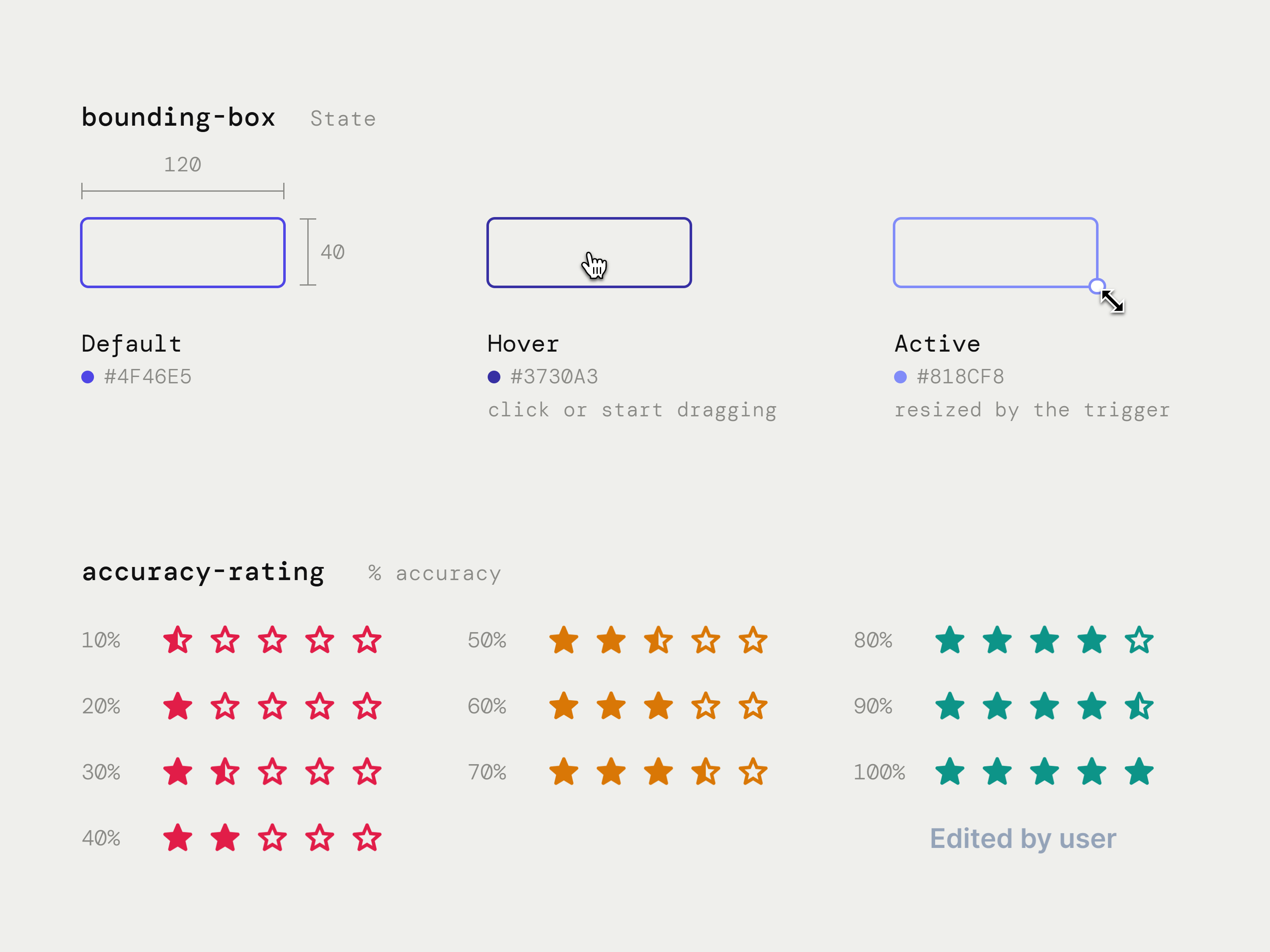
Most reading errors start in a box drawn in the wrong place, so the first step shows the model’s boxes over the photo to drag, resize or add. Zoomed in, the user holds the space bar to move the photo. Moving on to the next step locks the boxes.
Every move shows how sure the model was.
Each reading gets up to five stars. The red and orange ones are where to look first, so the job is fixing what needs it rather than checking all 40 moves. A move the user changed is marked as edited, and the photo stays beside the list. Saving turns the list into the finished game, read-only and ready to export.
open for contract and freelance work, remote. write and tell me what the problem is.